How to run a board meeting
The number of board meetings to be held annually can be set out in an organisation’s constitution, but should normally not be less than four. In times of crisis, such as the recent pandemic, it might be necessary to call more meetings but don’t overload board members and staff. Companies and CIOs have default permission to transact business remotely using emails, website forms and online web meeting software, unless a constitution states otherwise. In considering these new ways of working, keep in mind the duty to keep records, accessibility, confidentiality, and data protection. A WhatsApp group or similar can provide a useful tool for board members to stay in touch, but consider whether it is an appropriate platform for robust decision making.
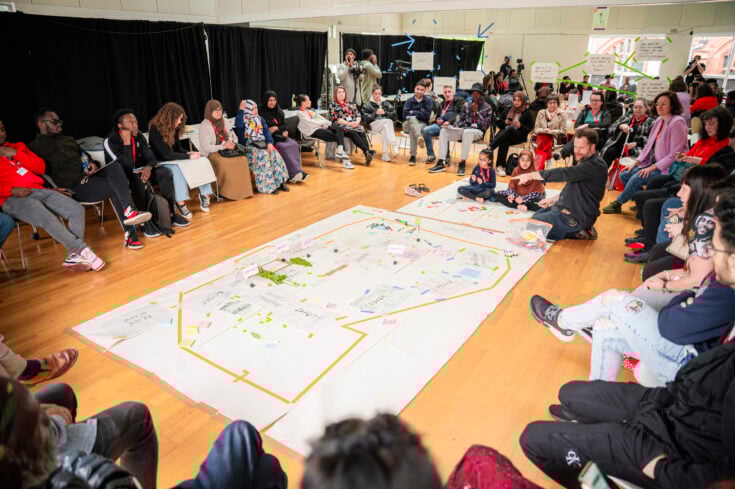
Since the Covid crisis there has been an increase in the digitally-held meetings and this allows for wider recruitment of and better access for board members. But also don’t under-estimate the necessity of meeting face to face and even if all board members cannot always attend all meetings personally, encourage attendance at the organisation’s activities and events.
Papers for a meeting should always be circulated at least a week beforehand, in whatever format is preferred by the individual board member. The timings of meetings should also be debated from time to time to ensure that they remain convenient; suitable refreshment should be served, particularly if meetings take place early evening – but no alcohol!
It is the responsibility of the chair to ensure that proper debate is had and decisions taken within a timeframe of two to three hours maximum. Some board members may find it more difficult to concentrate during long online meetings, so consider including screen breaks. If you use break out rooms, consider carefully how those separate conversations should be recorded or reported back to the main meeting to ensure that a full record of the meeting is kept.
If closed sessions are required by the board it is imperative that senior staff are informed in advance that these will take place and given the reason why and an appropriate precis of what was discussed afterwards.
The Charity Commission has issued updated guidance on meetings – especially helpful when considering whether an organisation’s constitution allows online or hybrid meetings now the emergency processes for COVID no longer apply.